Postcards from Buenos Aires
For me, Buenos Aires will always be home, the city that wrote the first chapters of my story – epilogues to the chapters written by my first-generation Argentine mother and my Italian father before me, as well as my Spanish and Italian grandparents before them, who saw this land of silver and good air as a promise fulfilled. I’ve written about Buenos Aires before, penning my thoughts on the way the capital city (and Argentinian culture as a whole) has shaped my worldview, but with each homecoming, my description of Buenos Aires becomes clearer, fine-tuned by new spots discovered and old corners revisited. Each time I go, I return just a little more enlightened, my emotional cup a touch more filled, my perspective ever more grounded.
Buenos Aires is one of those places you have to really dig into to truly get to know – its distinct personality woven tightly into the intricate and colorful tapestry of its winding streets and avenues (two of which – fun fact – are, respectively, the longest and the widest in the world). From afar, the metropolis, once deemed the “Paris of Latin America,” looks like one of the finest in the world (and, in some ways, it is), but wander deeper into its mazes of barrios, and you’ll discover the sociopolitical nuances, beloved traditions and cultural quirks that make Buenos Aires … well, Buenos Aires. Despite its blend of Italian, Spanish, French, German and Jewish influences – all most evident in the city’s stunning architecture and delectable smörgåsbord of flavors – Buenos Aires is unlike any other city in the world.
In all parts of town, mates, picadas, asados and meriendas are beloved rituals alongside which bonds are rekindled, conversation flowing freely (and loudly). Despite the country’s crippling inflation and ongoing instability, celebration remains its second language: no day too insignificant to be wrapped up in lights, cumbia and Malbec. The city’s warmth is palpable, its rhythms infectious and the passion for family, faith and futbol fervent. In a country in which more than 40 percent of the population lives in poverty, meals remain world-class events in their own right. You see, even when unwell, Buenos Aires finds a way to make itself okay, if only for a fleeting moment, one intentionally shared with the company of others.
I’m not certain all Argentines would deem themselves optimists, but as a now-foreigner in my native country, I can more clearly see that it’s a uniquely resilient spirit that keeps this place buzzing with a zest and exuberance I’ve yet to experience anywhere else. Hugs here are sincere embraces, greetings on the street more than just a passing courtesy, a shared mate a cross-generational olive branch, dinners a moment to pause and gather – no sense of time regarded.
It’s that attention to the seemingly mundane – making time for a meal, a conversation, a hello – that brings out the magic of Buenos Aires. It’s in the everyday that it’s most fully experienced: the sounds, the smells, the speed at which the city moves. It’s those “cosas cotidianas” I cherish – and miss – most.
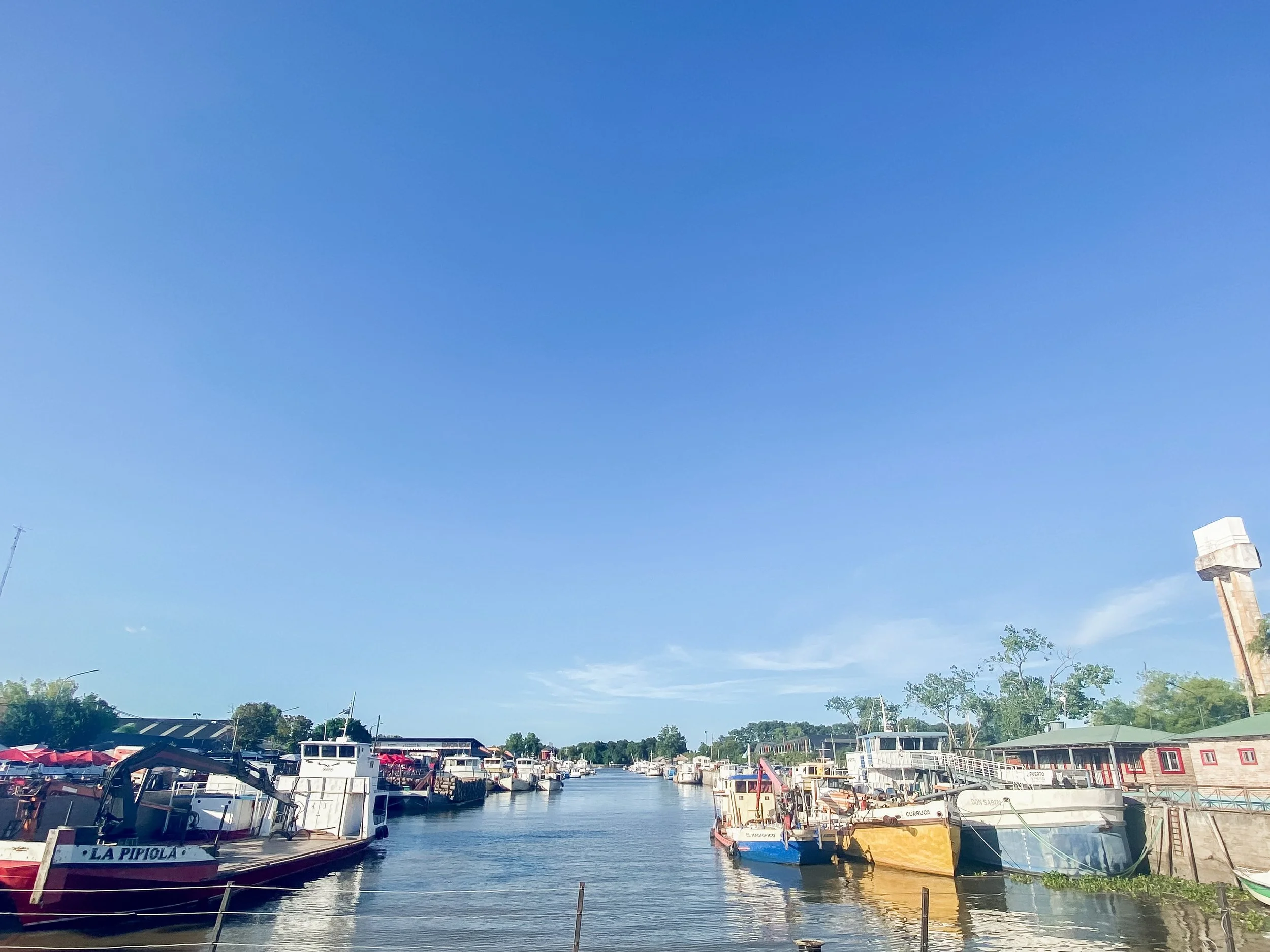
It’s those things that make Buenos Aires a special place, one that for me is further accentuated by the presence of family, childhood friends and cherished memories strewn from sidewalks in San Martin and Olivos to the shores of Tigre and well beyond. It’s impossible for me to think of Buenos Aires without thinking of the familial bonds it holds. And so, my assessment is outright biased, but I think you’ll find it to be quite accurate all the same.
I’ve said this before, and I’ll say it again because I hold it to be true: if the U.S. groomed my wings, Argentina made sure I’d always find my way home. If I close my eyes, I can already hear it calling…
¡Hasta la proxima, mi querido Buenos Aires!
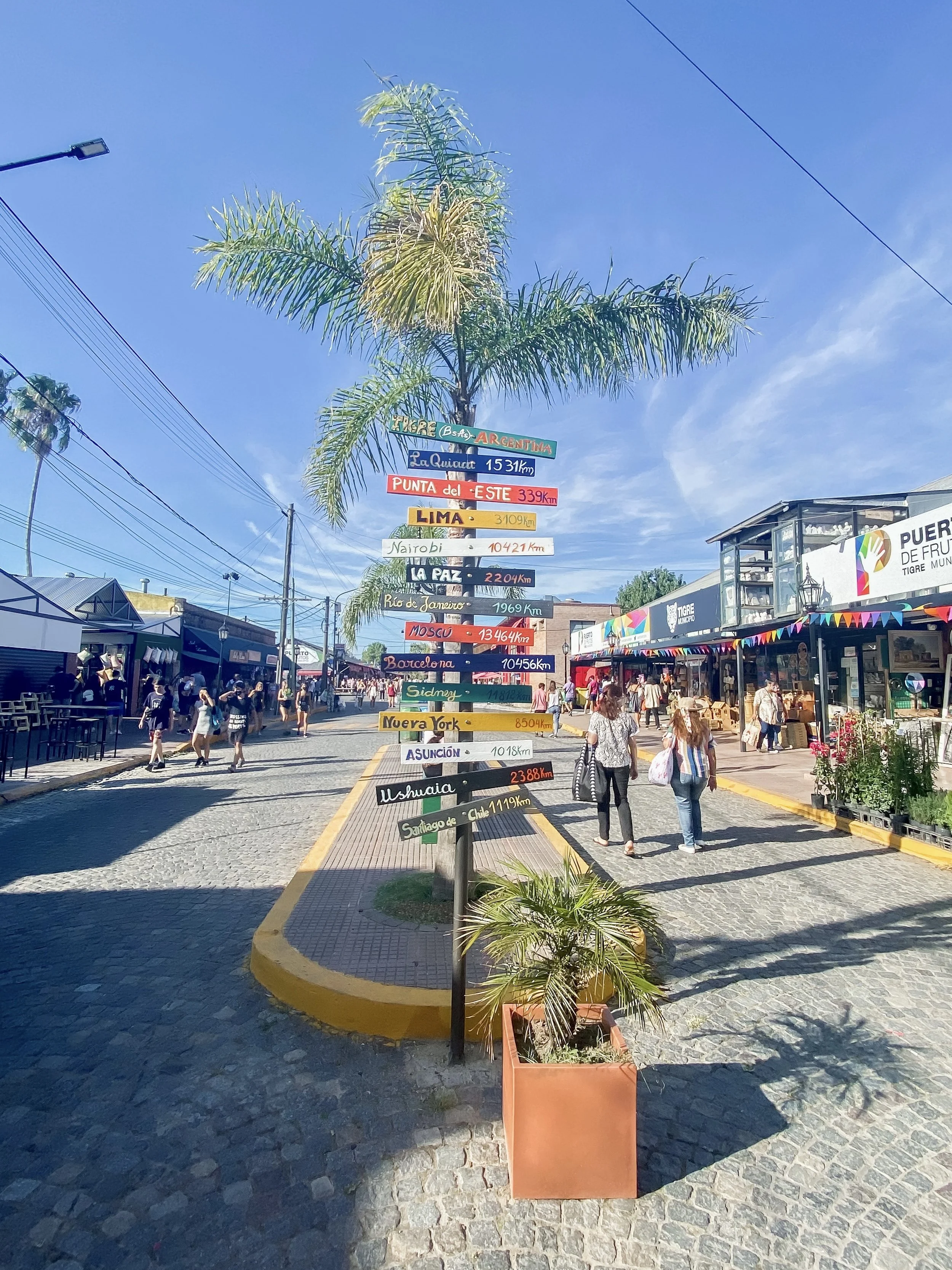
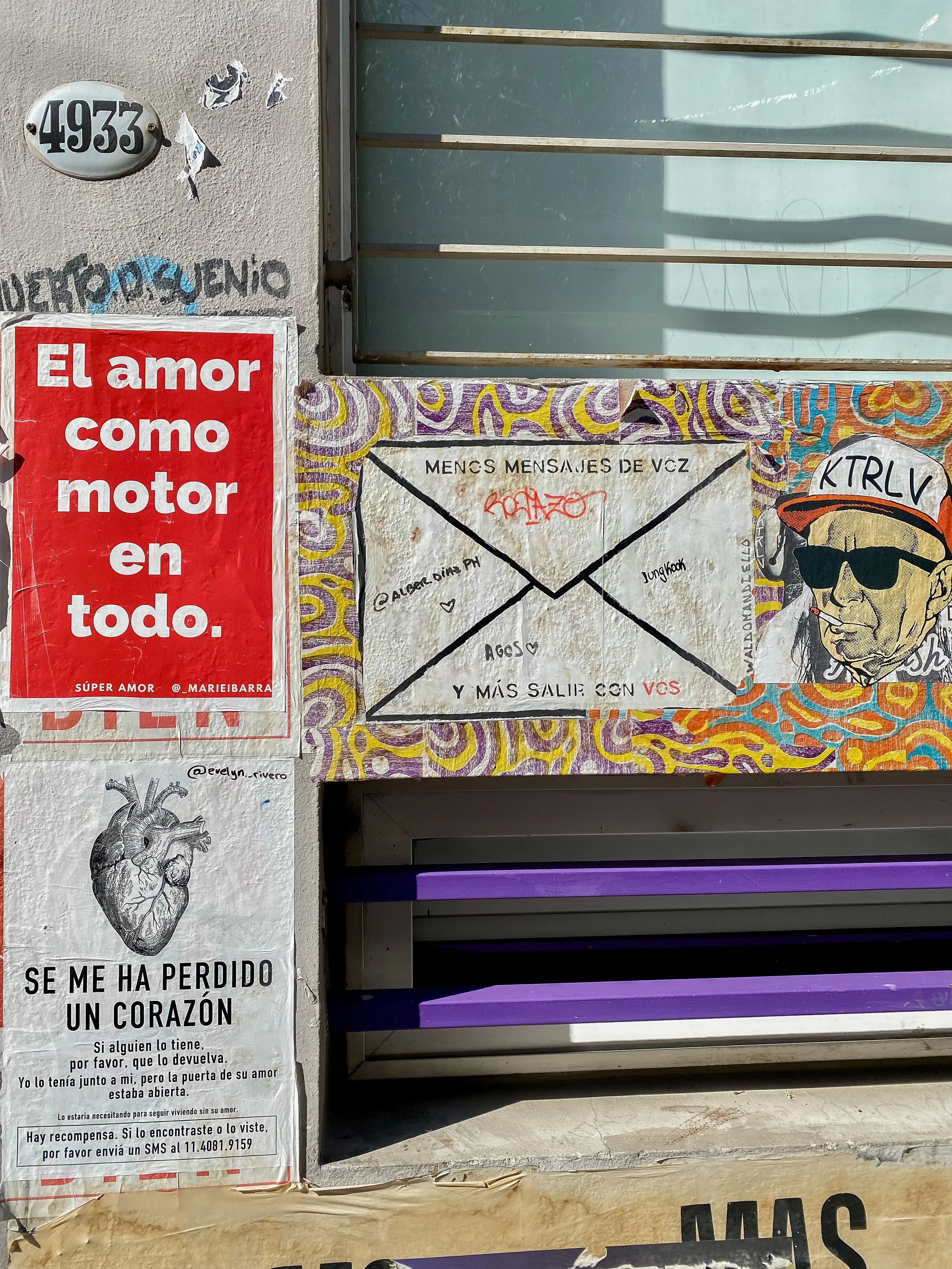
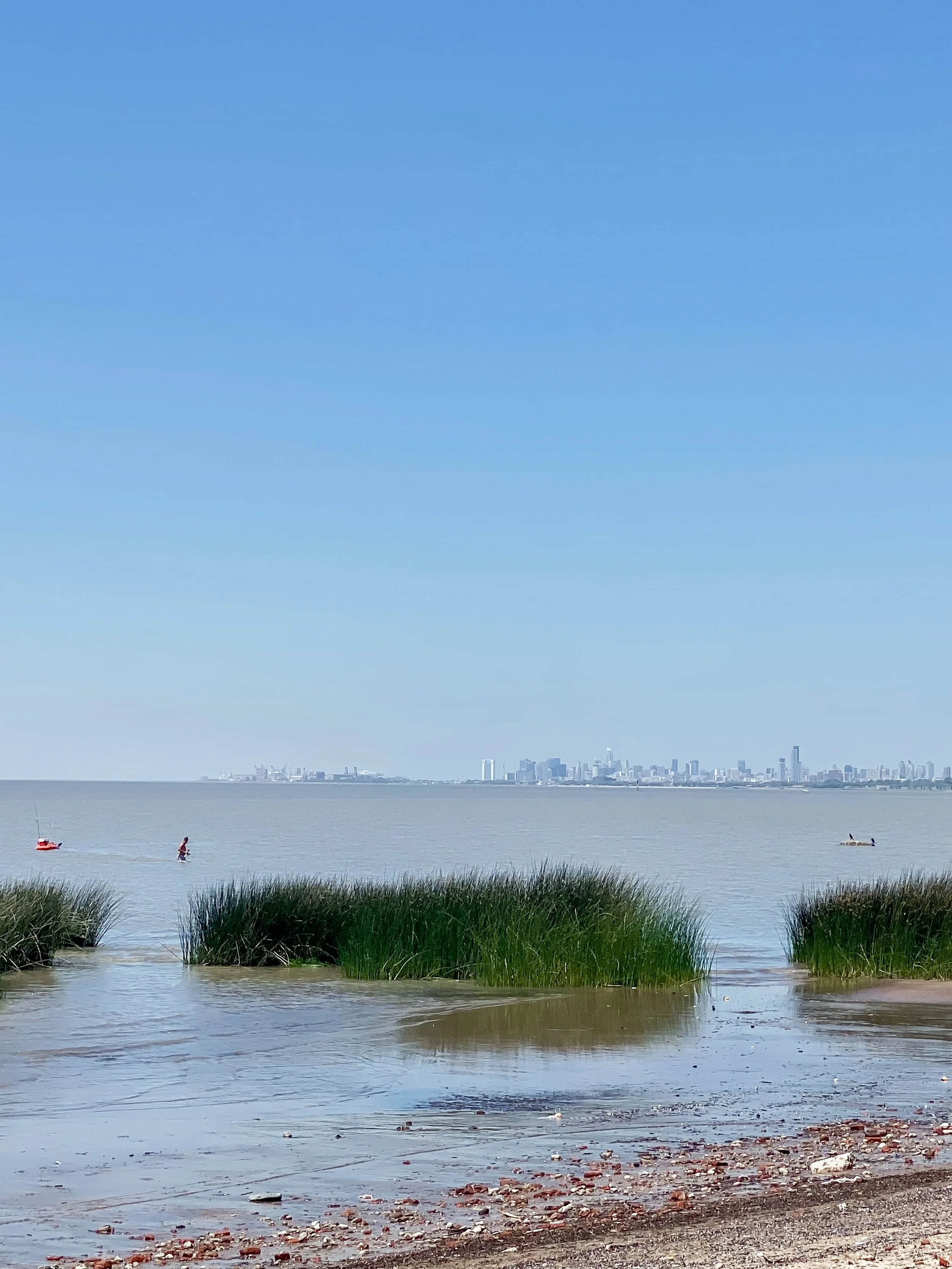
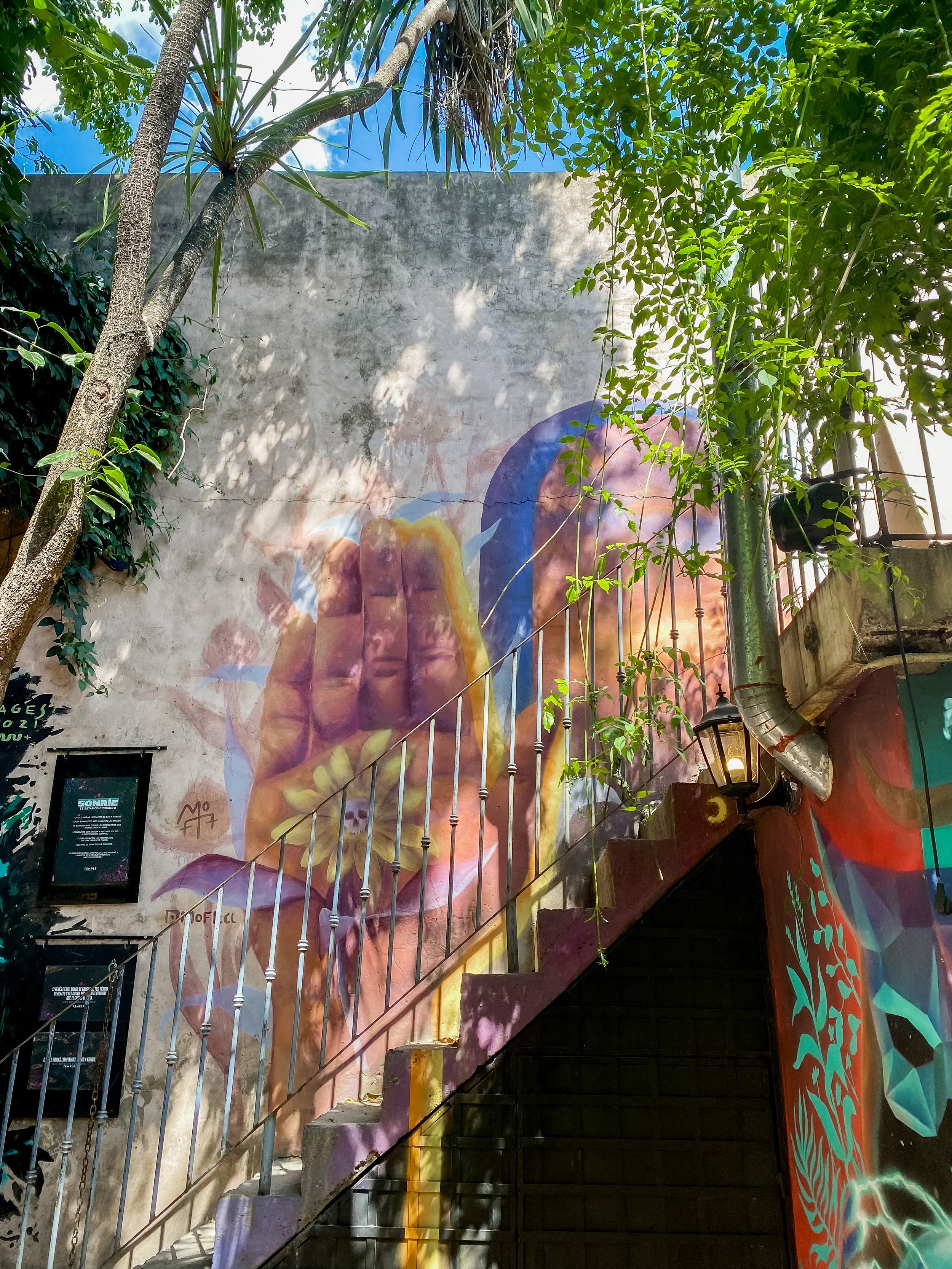
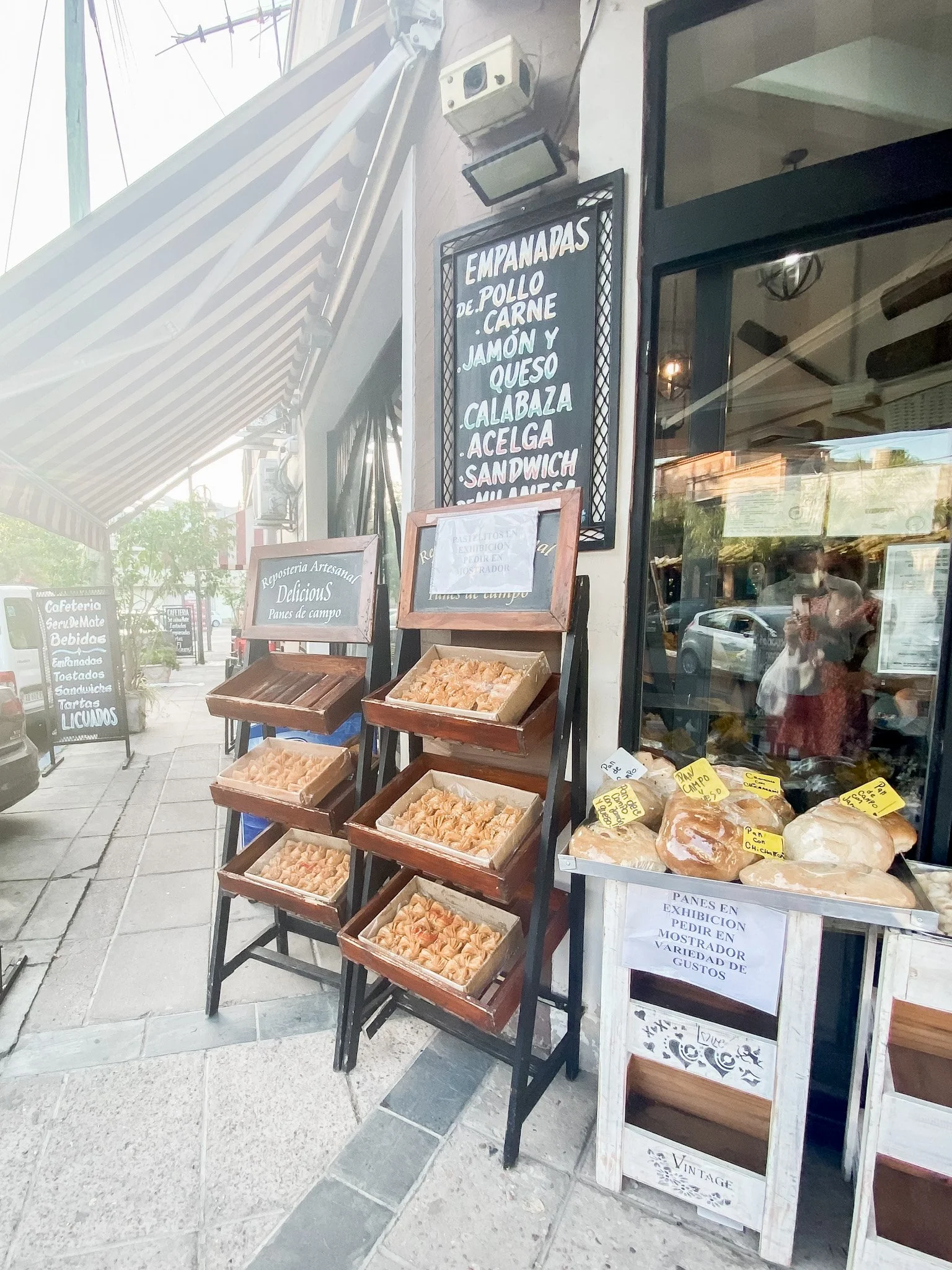
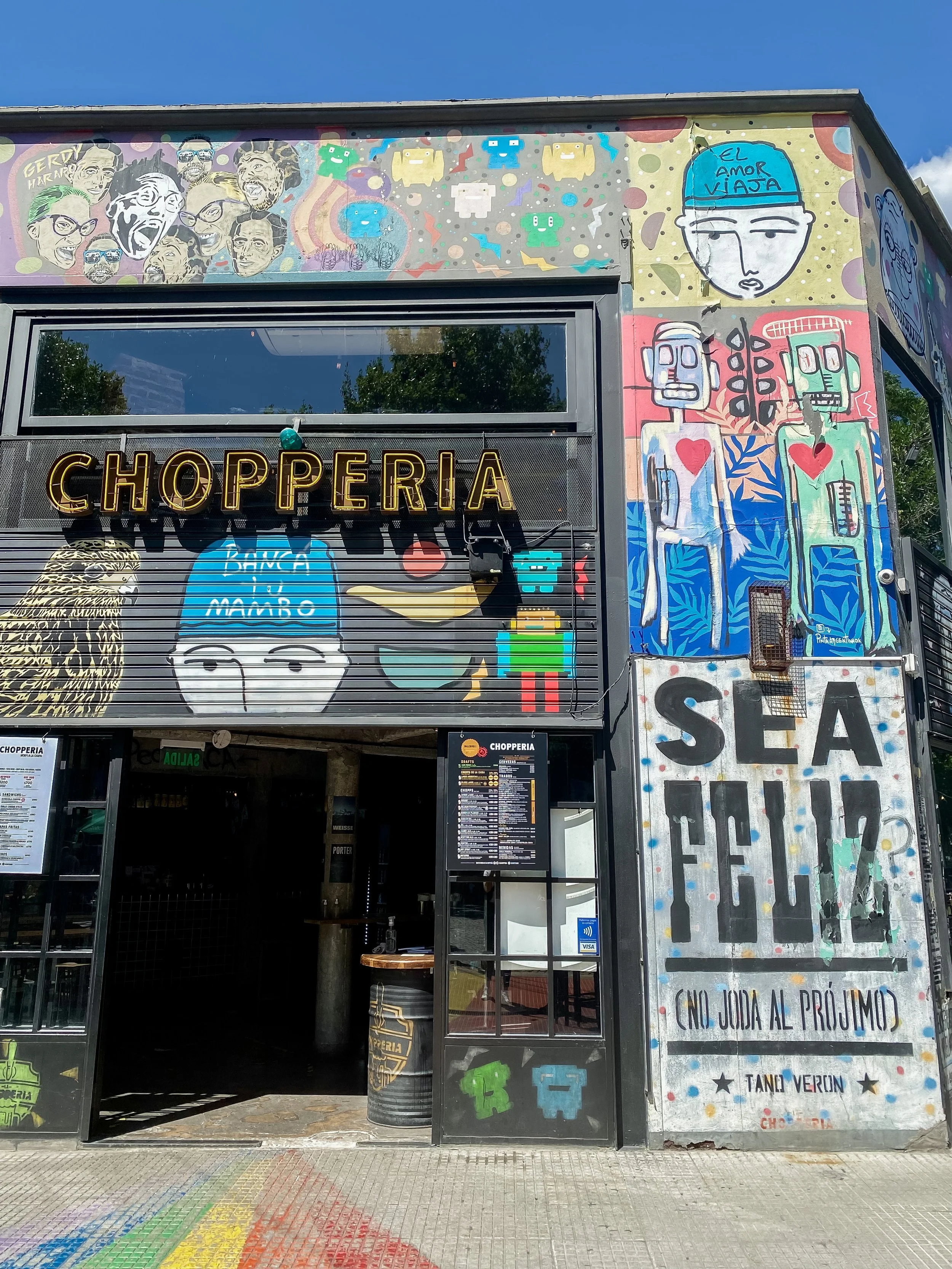
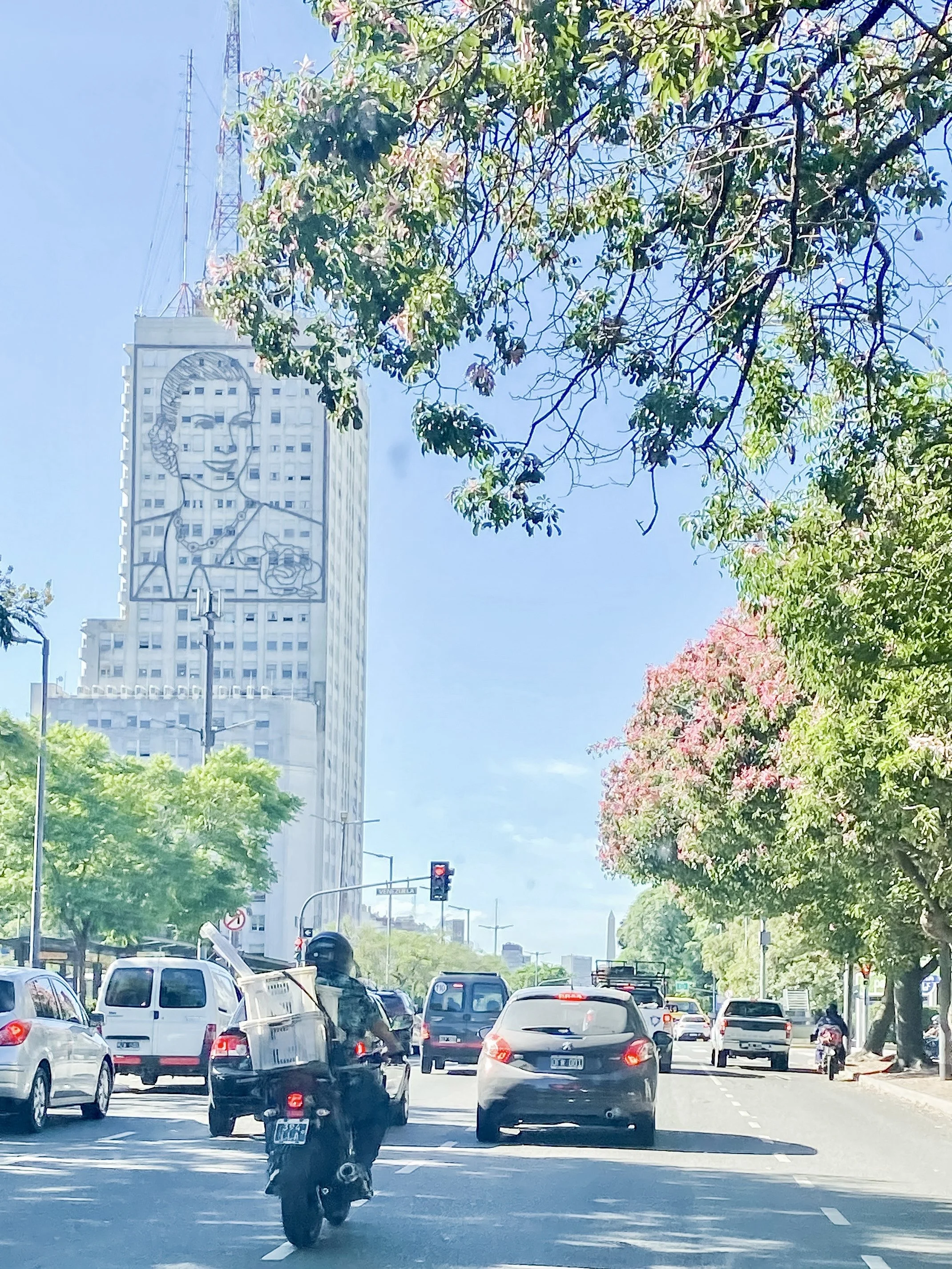
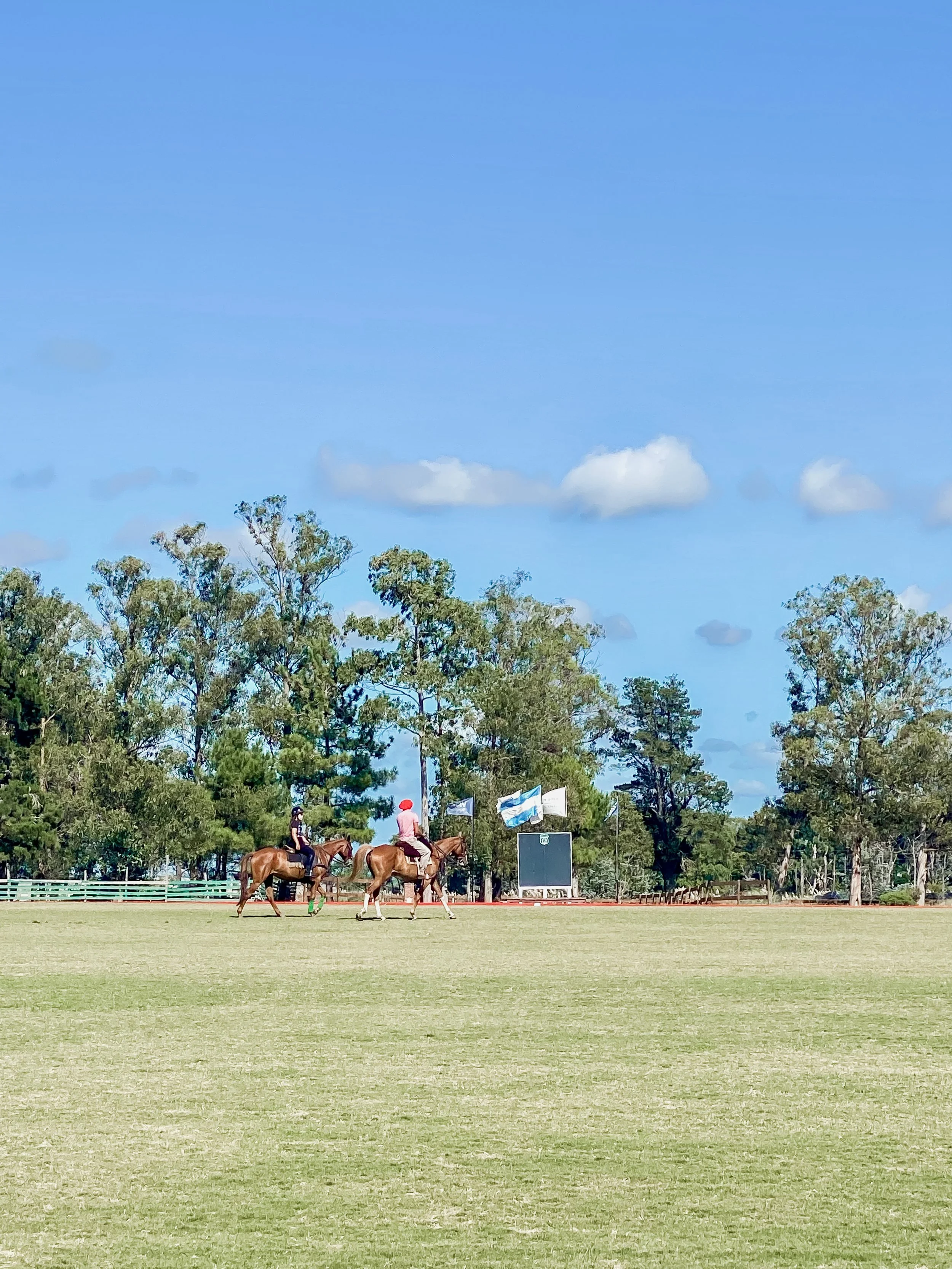
Below, a few of my personal postcards from my most recent visit to Buenos Aires (all photos my own)…